
Why is Over-Seeding Tall Fescue Important During the Fall Season?
Fall overseeding helps tall fescue recover from summer heat, drought, and thinning by filling in bare spots with fresh, healthy growth. Cooler temperatures create ideal conditions for new seed to establish strong roots, giving you a thicker, greener lawn heading into winter and spring.
Fall Tall Fescue Treatment
North Georgia summers can be tough on tall fescue. Heat, drought, disease and everyday lawn traffic often leave fescue thin, stressed or bare by the end of summer. Because tall fescue has a bunch-type growth habit, it doesn’t aggressively spread to repair those areas on its own, making fall overseeding an important part of maintaining a thick, healthy lawn.
September and October provide ideal conditions for establishing tall fescue in Georgia. Cooler temperatures give new seedlings an opportunity to germinate, establish roots and mature before the stresses of the following summer.
Our Process
2. Core Aeration
When appropriate, we core aerate the lawn to relieve soil compaction and create openings that allow air, water and nutrients to better reach the root zone. Aeration also creates an improved seedbed for overseeding.
3. Premium Tall Fescue Overseeding
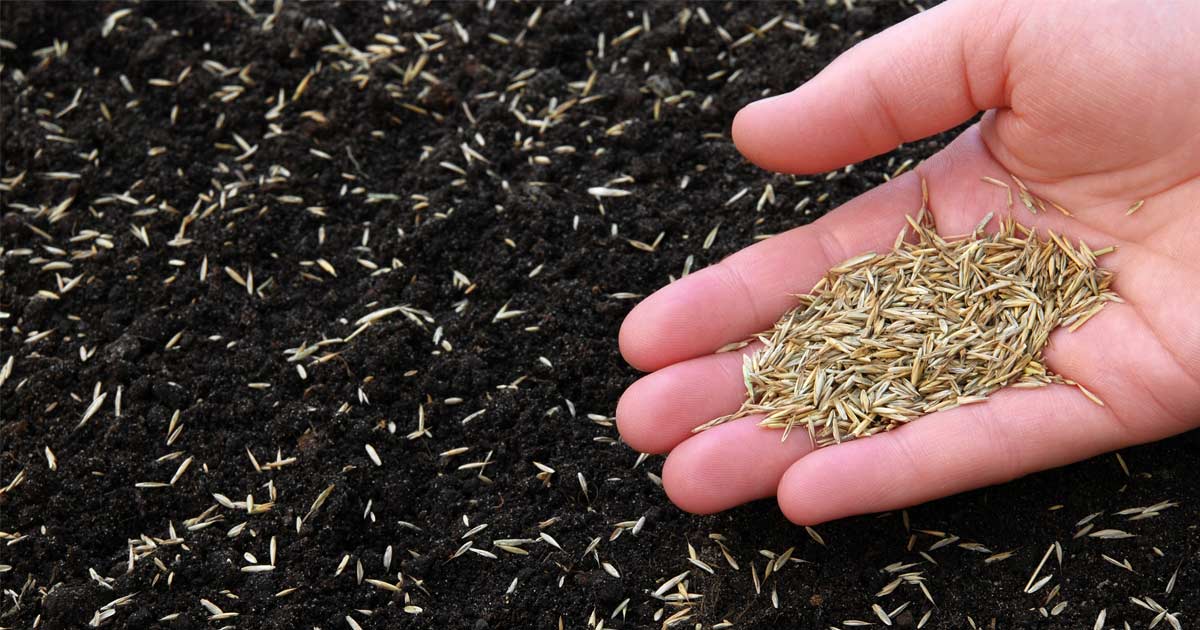
We spread A-list certified Turf Type Tall Fescue seed throughout the lawn to replenish areas lost during summer and improve overall density, color and appearance. Premium seed is far superior compared to the big box store selection.
4. Establishment & Aftercare
Once the seed is down, proper watering becomes critical. We’ll provide clear aftercare instructions so you know how to water and care for your new seedlings during germination and establishment.
What to Expect
New seed doesn’t become a finished lawn overnight. Under favorable conditions, tall fescue can begin germinating within approximately 5–10 days, but consistent moisture during establishment is extremely important. Over the following weeks, you’ll begin seeing new growth fill thin and bare areas. Some areas may establish faster than others depending on sunlight, soil conditions, irrigation and weather. As the new turf matures through fall and spring, the goal is a thicker, greener and more resilient fescue lawn.

Associated Costs
Every fescue lawn is different, so pricing depends on lawn size, current turf condition and the amount of preparation and seed required. Rather than taking a one-size-fits-all approach, we’ll evaluate your lawn and recommend the level of treatment it actually needs. Whether your lawn simply needs annual aeration and overseeding or requires more extensive renovation, you’ll receive clear recommendations and upfront pricing before work begins.